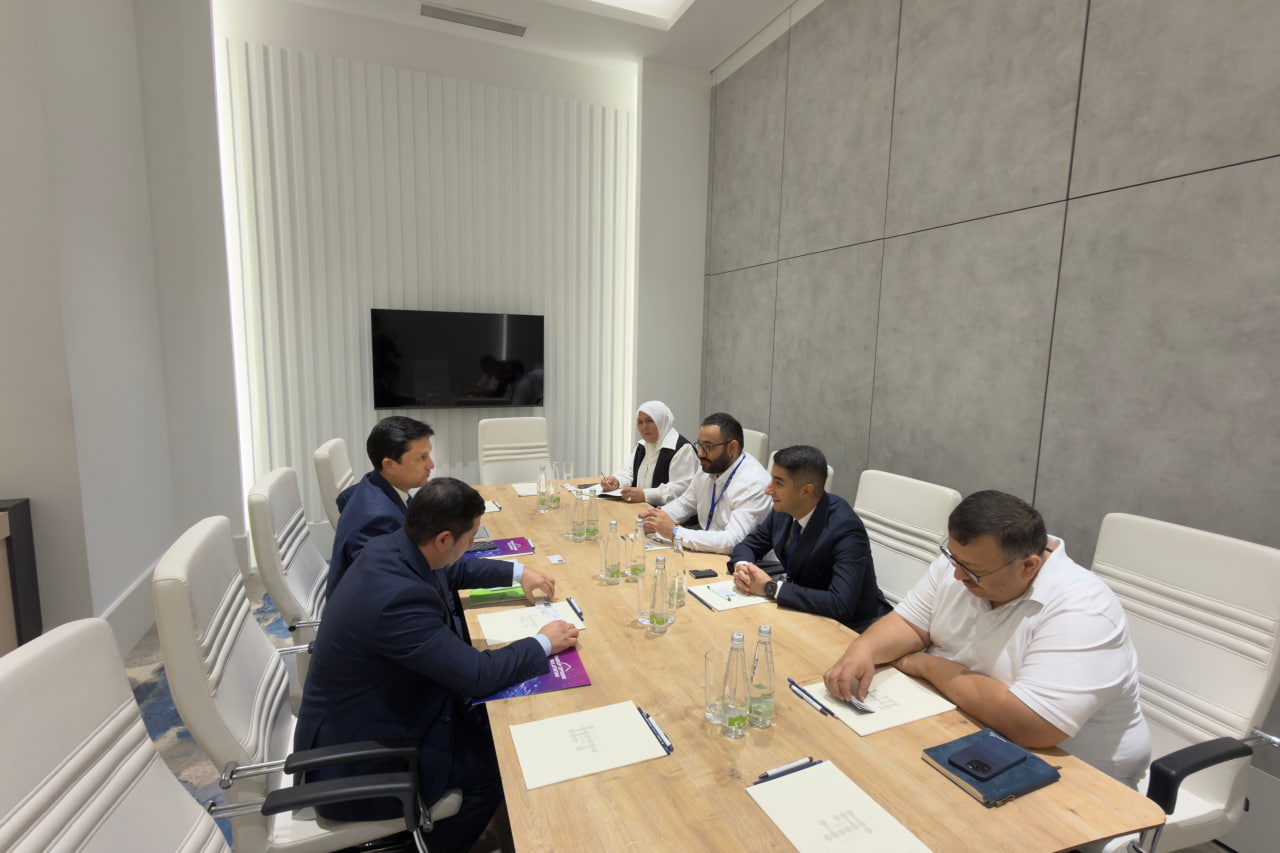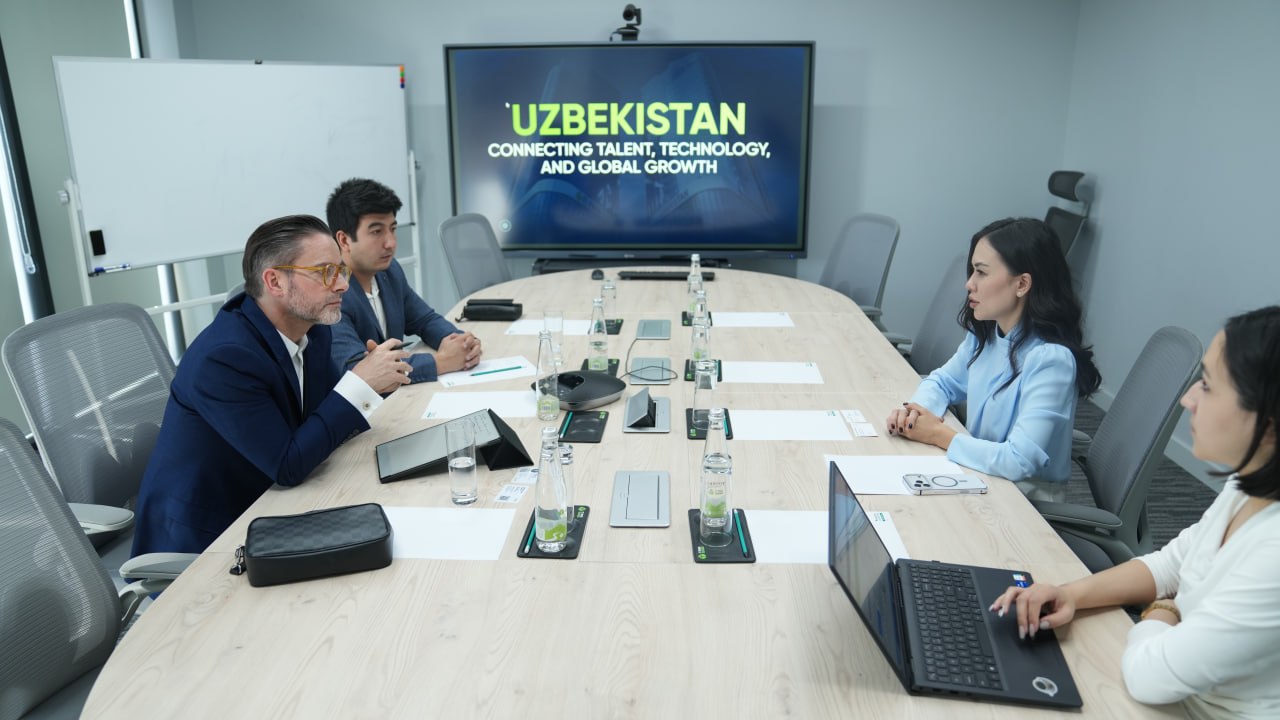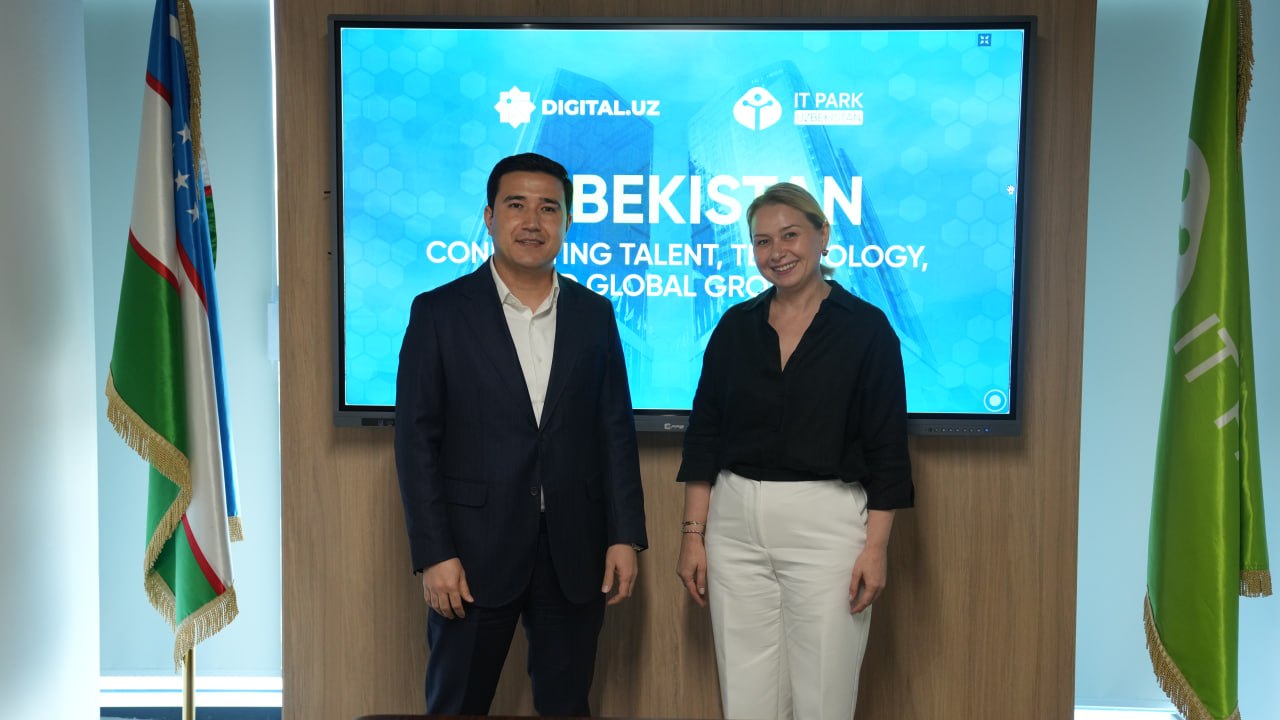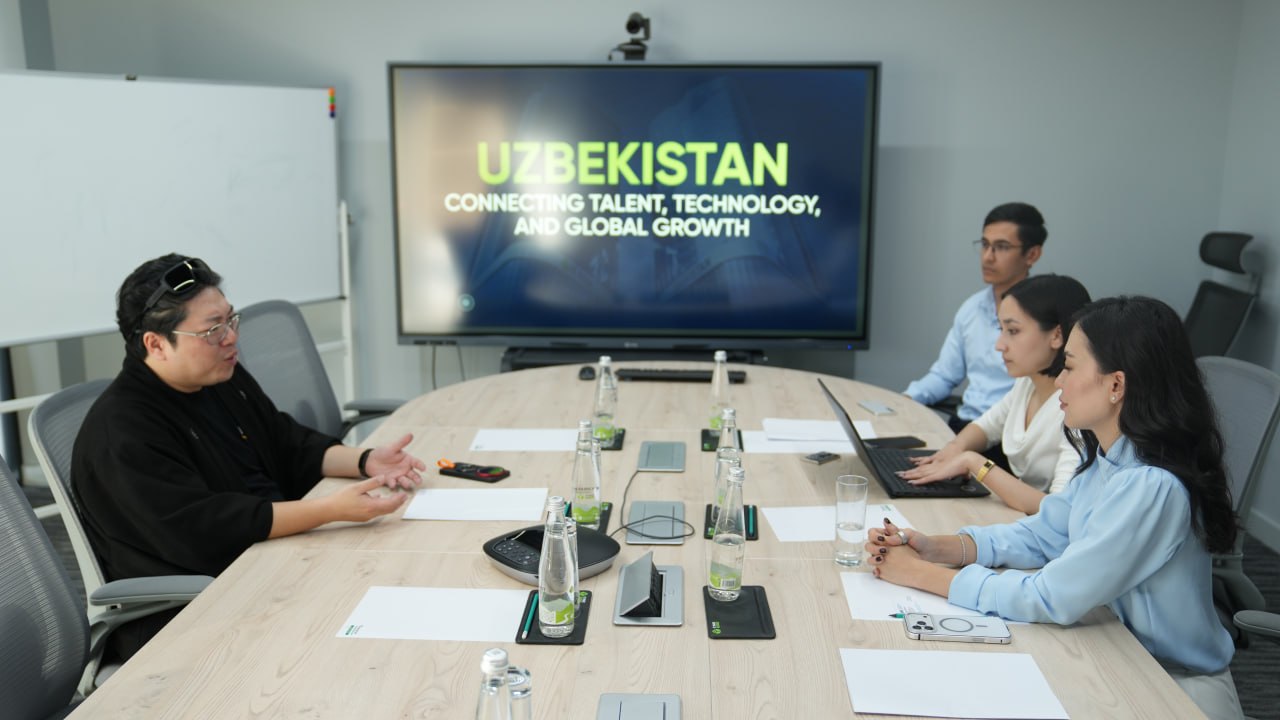
One of the key objectives of the negotiations was to increase the presence of Japanese companies in Uzbekistan. Several companies expressed interest in launching operations in the country, opening representative offices, and recruiting local specialists.
In particular, Fujifilm System Services is exploring opportunities for joint projects in GovTech, workforce development, and the promotion of digital solutions in international markets. The parties discussed the localization and promotion of ERP and GovTech solutions developed in Uzbekistan within the Japanese market through Fujifilm System Services, training IT specialists with Japanese language skills, and expanding cooperation in technology education. The company is also considering opportunities for joint venture investment projects and expanding its activities in Uzbekistan.
During the visit, a meeting was also held with Japanese export-oriented companies operating in IT, outsourcing, digital content, and consulting. Participants discussed opportunities for entering the Uzbek market, cooperation with IT Park Uzbekistan residents, and the development of export-oriented projects.
Several Japanese companies confirmed plans to begin operations in Uzbekistan in the coming years, including ELF-IN, Brexa Technology, Artyz, and WIT Corp.
These agreements are expected to contribute to attracting Japanese investment and companies to Uzbekistan, expanding IT service exports, developing a qualified workforce, and creating new opportunities for Uzbek startups in international markets. For IT Park Uzbekistan, they also open new prospects for international cooperation and further strengthen the country's position as a regional IT hub.
Another important outcome of the visit was the negotiations with Daiwa House Group, one of Japan's largest construction and real estate development companies.
During the meeting, both sides exchanged information about current opportunities in the Uzbek market and discussed promising areas of cooperation. The company expressed interest in further exploring opportunities for project implementation and partnership development in Uzbekistan.
The parties discussed collaboration in training specialists in CAD/BIM modeling, architectural and engineering services, and the development of engineering outsourcing. In addition, an agreement was reached to further explore cooperation with Daiwa House Ventures in the startup sector, including the creation of a joint venture capital fund.
Significant attention was devoted to the development of the creative industry.
At a meeting with the management of the Japanese animation studio Graphinica, the parties discussed launching educational programs, training specialists in animation and computer graphics, and attracting projects from Japanese companies for Uzbek studios.
The company proposed introducing its own training methodologies at one of Uzbekistan's universities, developing a mentorship system based on the Japanese model, and expanding practical cooperation with Uzbekistan. Separate discussions focused on integrating Uzbek specialists and studios into the Japanese animation and digital content market.
Another important area of the visit was the development of the startup ecosystem.
At a meeting with Zero One Booster Holdings, the parties discussed mechanisms for supporting Uzbek startups entering the Japanese market, launching acceleration programs, and opportunities for establishing a joint venture capital fund.
The sides also explored prospects for attracting Japanese startups to Uzbekistan through the Land of Startups program and implementing joint initiatives in the field of open innovation.
During a meeting with representatives of Tokyo Innovation Base (TIB), the parties discussed prospects for strengthening cooperation between the startup ecosystems of Uzbekistan and Japan.
Particular attention was given to providing workspace for Uzbek startups at TIB facilities and organizing their participation in pitching sessions before Japanese venture funds and investors.
The parties also considered the possibility of IT Park Uzbekistan joining the TIB ecosystem as a partner. IT Park expressed interest in expanding cooperation between Japanese and Uzbek startups, venture capital funds, and innovative companies.
As a result of the meeting, an agreement was reached to further develop cooperation and organize joint events and business programs.
During a separate meeting with JETRO Executive Vice President Takafumi Suzuki, the parties discussed expanding cooperation in the IT sector, attracting Japanese companies to Uzbekistan, increasing IT service exports, and supporting the startup ecosystem.
Special attention was given to the outcomes of JETRO's IT mission to Uzbekistan in February 2026 and opportunities for involving Uzbek startups in the J-Bridge program to facilitate their entry into the Japanese market.
In addition, the parties agreed to cooperate in organizing "Digital Uzbekistan" events across various regions of Japan to promote Uzbekistan's IT potential, startup ecosystem, and investment and venture capital opportunities among Japanese businesses and investors.
Further discussions focused on attracting Japanese BigTech companies to Enterprise Uzbekistan, where international law will be applied, as well as organizing promotional events highlighting Uzbekistan's IT potential in different regions of Japan.
The final event of the visit was a meeting with the Uzbek Professionals in Japan (UPJ) community, which unites Uzbek specialists working in Japan.
Participants discussed the development of Uzbekistan's IT ecosystem, attracting investments, promoting domestic IT products in Japan through a bonus-based system, and expanding professional ties between the two countries.
The parties also explored opportunities for knowledge exchange and the transfer of expertise accumulated by Uzbek professionals in Japan.
As a result of the meeting, three Uzbek professionals expressed their readiness to establish offices in Uzbekistan and develop startup projects within the country, with future plans to export their products to Central Asian countries and the APAC region by leveraging the opportunities provided by Uzbekistan's national IT ecosystem.
28 September 2026
28 September 2026
28 September 2026
28 September 2026