



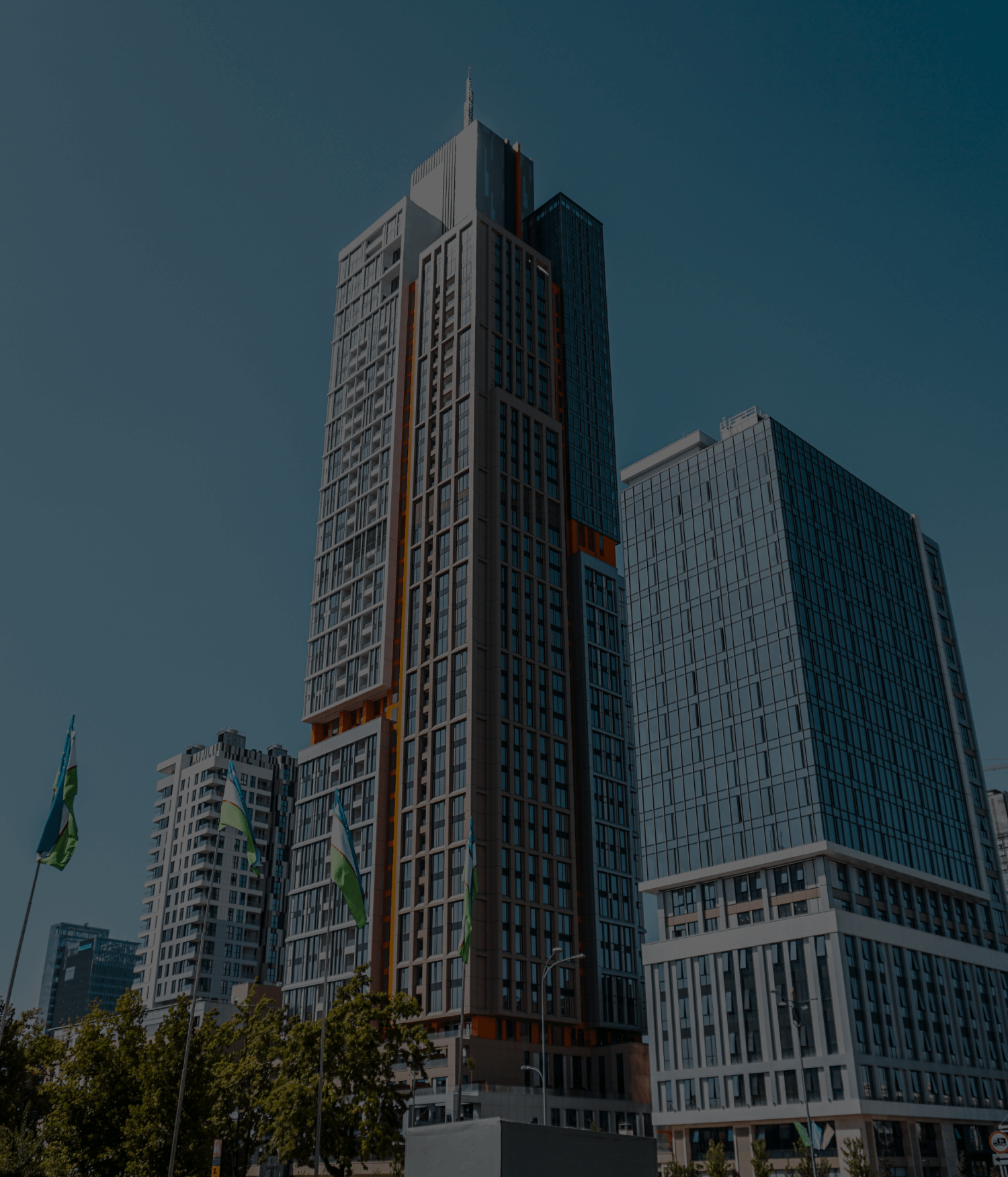
Elevate your business to new heights in the heart of Central Asia - Uzbekistan, a dynamic and rapidly emerging destination for IT companies.
Global Innovation Index
GovTech Maturity Index
GovTech Enablers
Internet Coverage
in the world by internet cost
Situated in the heart of Central Asia, Uzbekistan serves as a strategic gateway connecting Europe and Asia. It shares borders with other Central Asian countries, providing access to a vast regional market of over 80 million people.
Uzbekistan is not just a regional hub, it's also connected to global markets. The country actively participates in international trade and economic initiatives. These routes offer efficient access to European and Asian markets, reducing transportation times and costs for businesses.

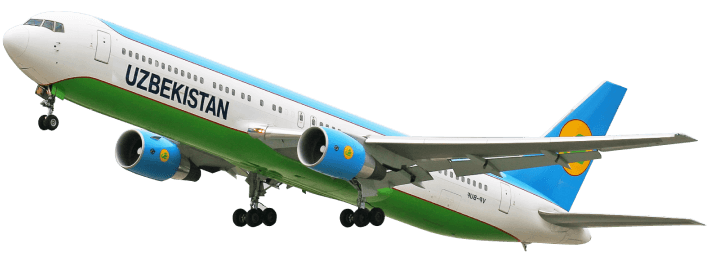
Uzbekistan's modern airports, including Tashkent International Airport, serve as gateways connecting Central Asia to the world. With numerous international flights, the nation bridges East and West, inviting everyone to discover its riches.
It is one of the fastest growing economies in Central Asia: in 2023, the country's GDP grew by6% and the annual inflation rate at 8.8%, lowest since 2016. According to the forecast, the annual GDP growth is expected to accelerate gradually in the medium term. This remarkable growth underscores Uzbekistan's potential for economic expansion.








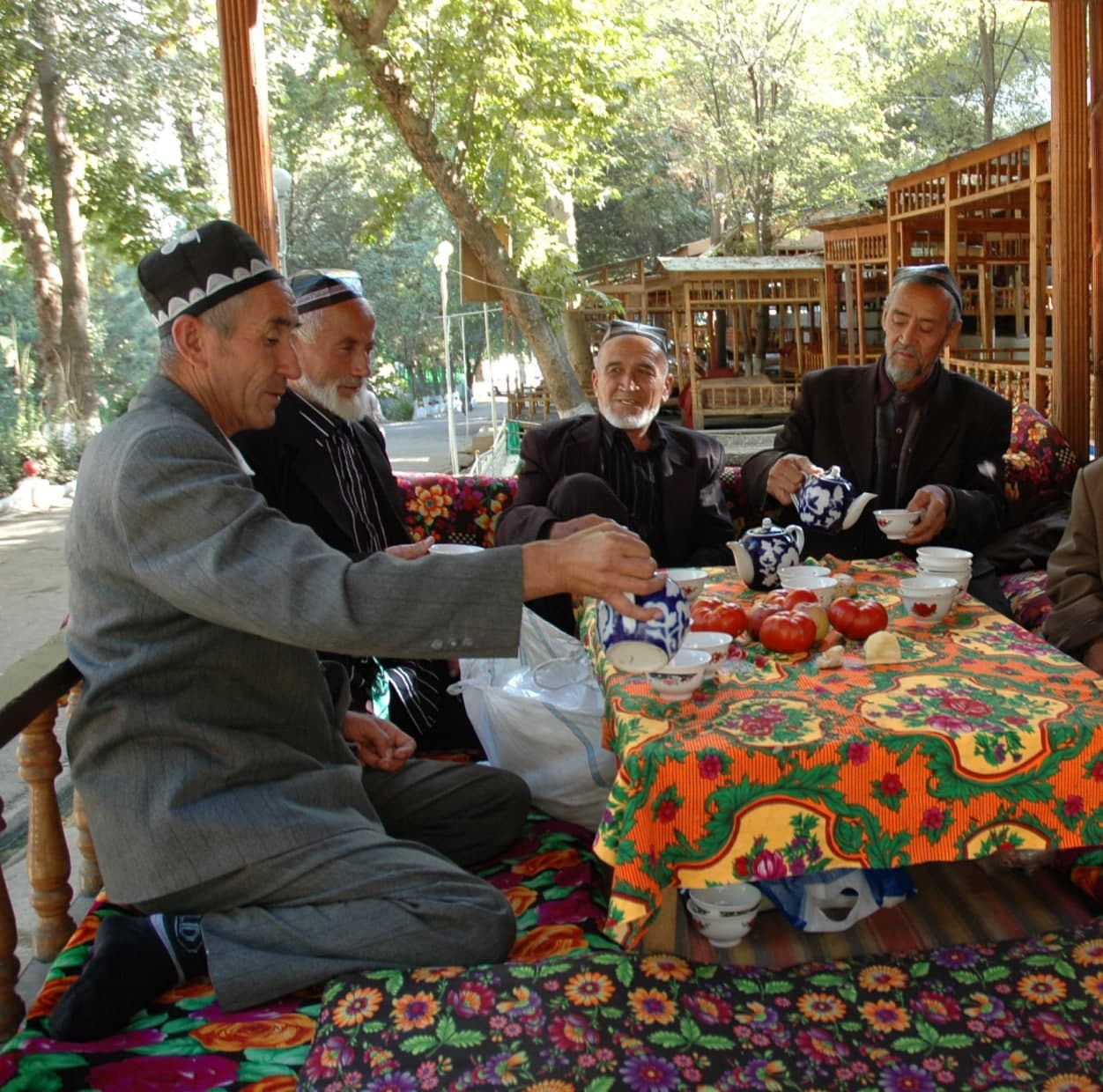




Rent for a one-bedroom apartment in Tashkent city center averages around $300 per month.
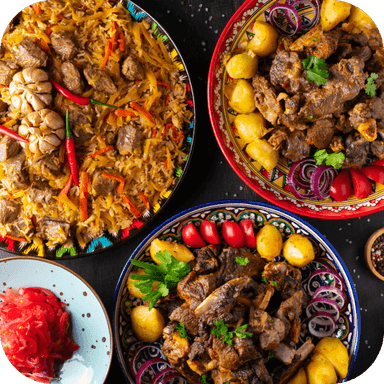
A meal at a mid-range restaurant costs around $7 per person. A month's worth of groceries for a single person costs around$150
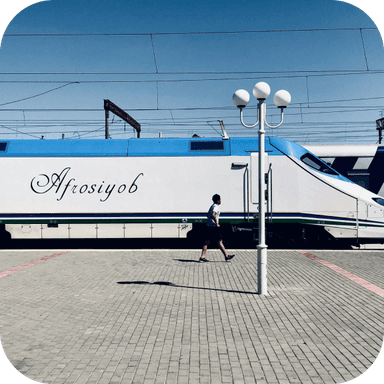
A one-way metro ticket costs around $0.20. A monthly transportation pass costs around $10 Taxi price range is from $1 to $4.

Basic utilities, such as electricity, water, and gas, cost around $50 per month.
Uzbekistan has been the birthplace of numerous innovators and scholars throughout history. The legacy of luminaries like Al-Biruni and Al-Khwarizmi, whose contributions span mathematics, astronomy, and other fields, underscores the country's deep intellectual roots.
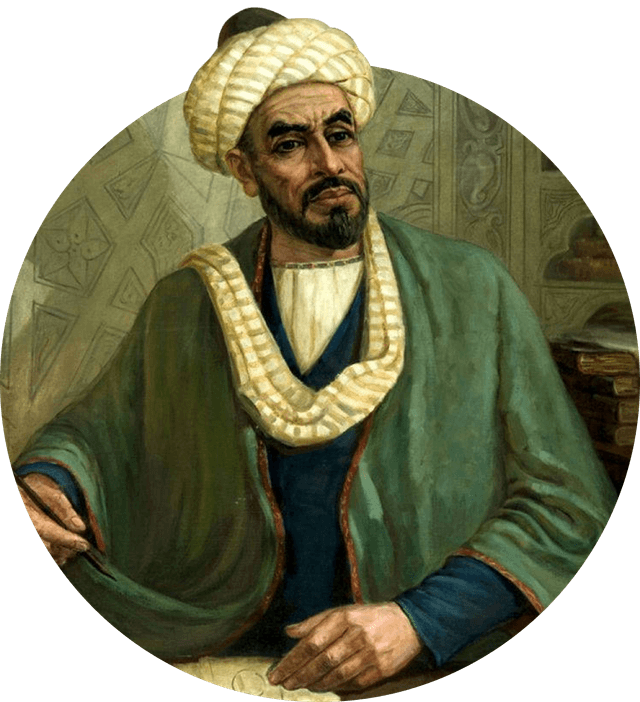
Al-Khwarizmi, another luminary from Uzbekistan, revolutionized mathematics with his pioneering work on algebra. His treatise, 'Al-Kitab al-Mukhtasar fi Hisab al-Jabr wal-Muqabala,' laid the foundation for modern algebraic concepts.
The very term 'algebra' itself originates from the Arabic word 'al-jabr,' which is a key component of the title of Al-Khwarizmi's book. This word evolved over time, eventually making its way into Latin as 'algebra' during the 12th century. Al-Khwarizmi's pioneering work, which emerged from the region that is now modern Uzbekistan, laid the cornerstone for modern algebra.
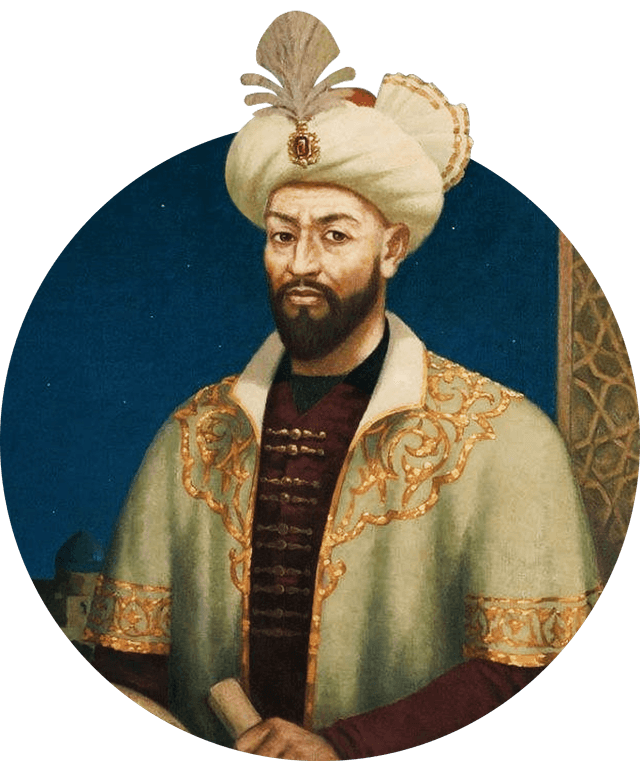
Mirzo Ulugbek (1394-1449), also known as Ulugh Beg, was a prominent 15th-century Central Asian scholar, astronomer, and mathematician. He ruled as the Timurid Empire's governor in Samarkand, which is in modern-day Uzbekistan. Ulugbek's historical impact on science is primarily attributed to his contributions to astronomy and mathematics:
Ulug Bek Observatory:In Samarkand, Uzbekistan, he established a cutting-edge observatory, renowned for its precise astronomical data.
Star Catalog:Ulugbek's meticulously accurate star catalog, featuring nearly 1,000 stars, remains influential in the history of astronomy.
Siddhanta-i-Jadida:His astronomical handbook left a lasting impact on later scholars and astronomers around the world.
Mathematical Advances:Ulugbek's contributions to trigonometry greatly aided the study of celestial phenomena and navigation, strengthening the scientific legacy of Uzbekistan.
Today, Mirzo Ulugbek is remembered as one of the leading figures in the history of Islamic science and an important contributor to the study of the cosmos
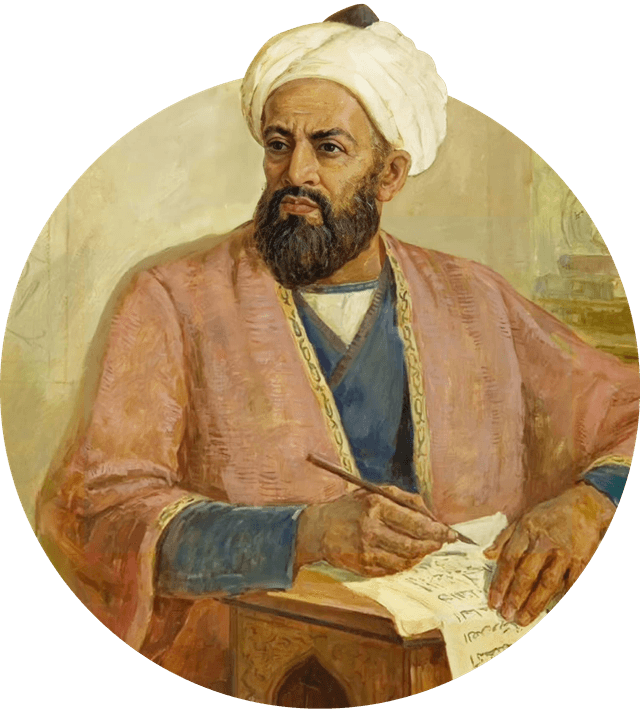
Ibn Sina, born in Bukhara, Uzbekistan, in the 10th century, was a true polymath. His works spanned a wide range of disciplines, including medicine, astronomy, mathematics, chemistry, and philosophy. Ibn Sina's most renowned work, 'The Canon of Medicine,' became the standard medical textbook in Europe and the Islamic world for centuries. It featured systematic principles of medicine and medical treatments, serving as a foundation for modern medical science.
Ibn Sina introduced clinical trials, the testing of new drugs, and the importance of patient case histories. His emphasis on the patient's well-being and the treatment of the whole person had a profound influence on medical practice.
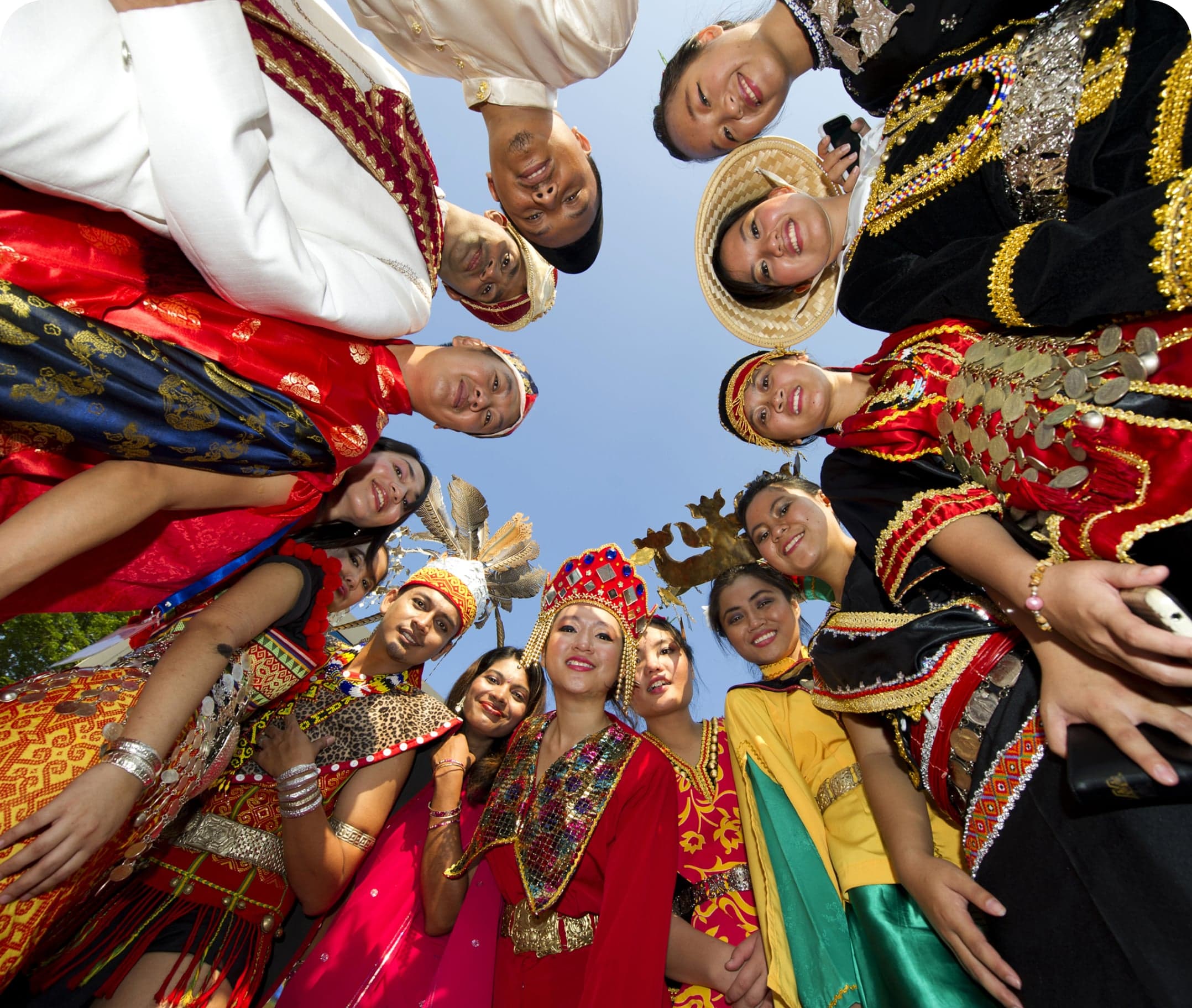
Uzbekistan's historical heritage is not limited to a single culture. The region has been influenced by Persian, Arabic, Turkic, and other civilizations over the centuries, resulting in a diverse and rich cultural tapestry that continues to shape the country's identity.
130+ nationalities
15+ religions
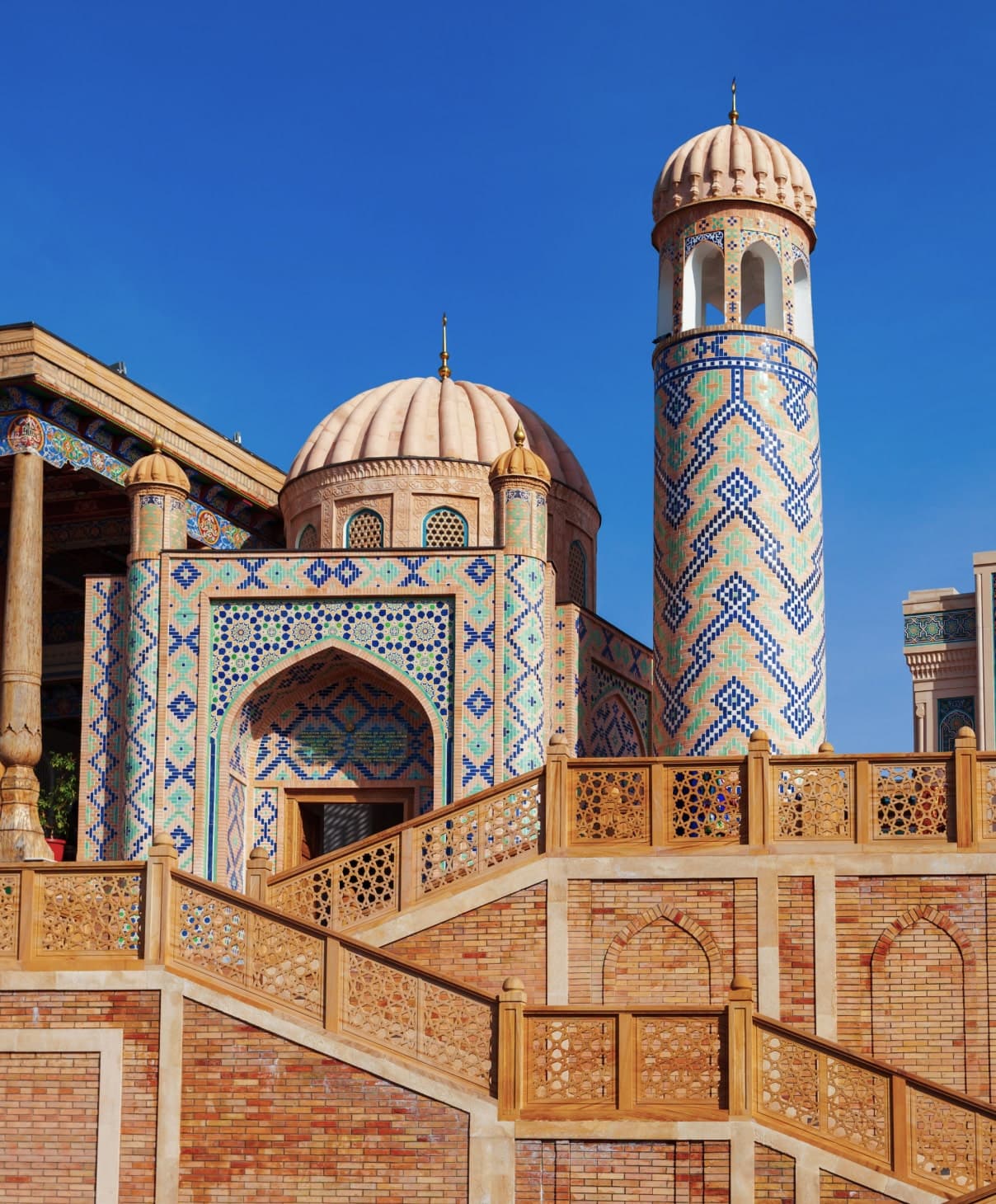
Uzbekistan is at the heart of the historic Silk Road, the ancient trade route that connected East and West. Its cities, including Samarkand, Bukhara, and Khiva, are living testaments to the rich tapestry of cultures and civilizations that converged here. These cities are home to architectural marvels like the Registan Square, attracting history enthusiasts from around the world.
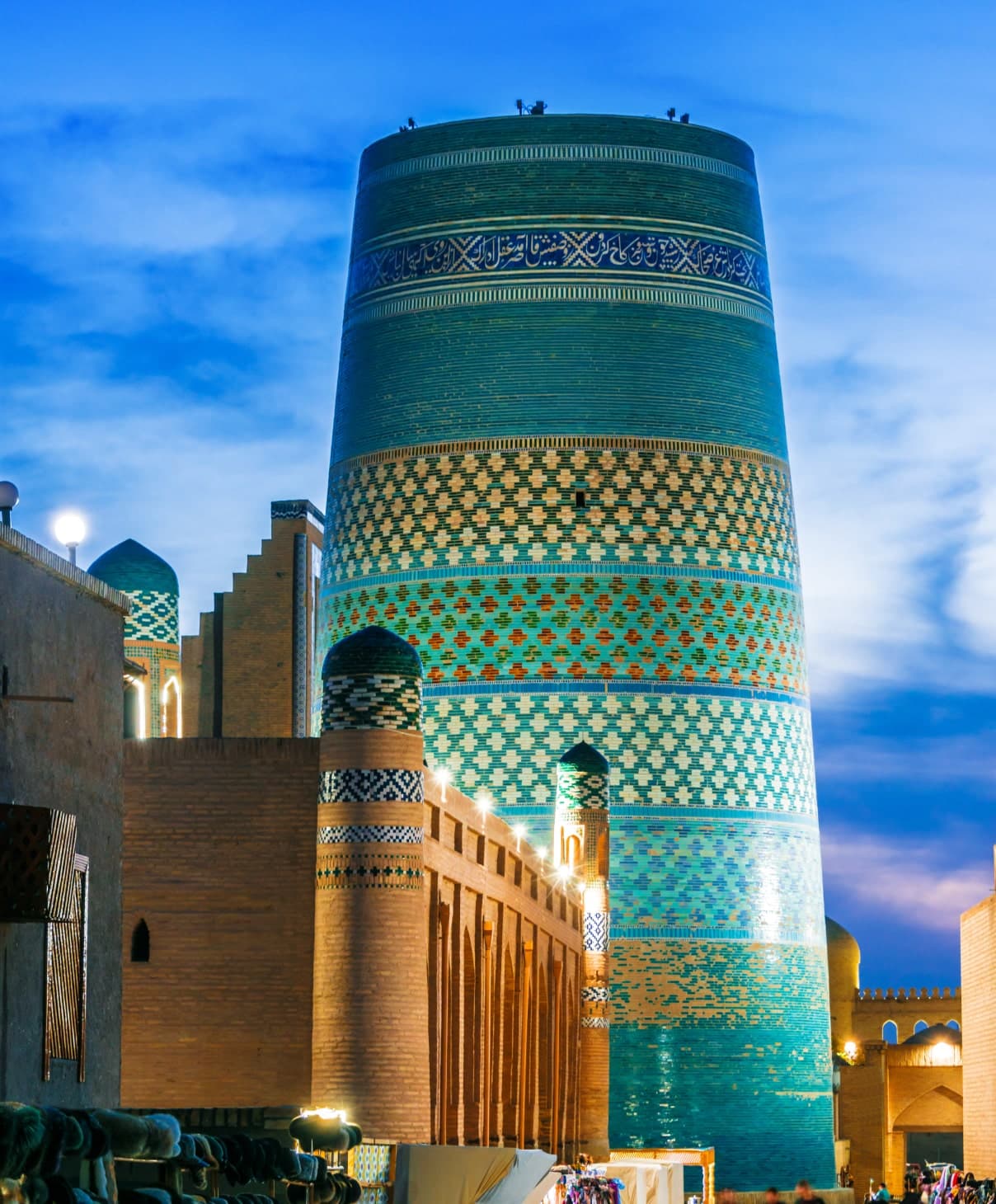
Uzbekistan's historical heritage is not limited to a single culture. The region has been influenced by Persian, Arabic, Turkic, and other civilizations over the centuries, resulting in a diverse and rich cultural tapestry that continues to shape the country's identity.
Uzbekistan's historical heritage is not limited to a single culture. The region has been influenced by Persian, Arabic, Turkic, and other civilizations over the centuries, resulting in a diverse and rich cultural tapestry that continues to shape the country's identity.
130+ nationalities
15+ religions
Uzbekistan is at the heart of the historic Silk Road, the ancient trade route that connected East and West. Its cities, including Samarkand, Bukhara, and Khiva, are living testaments to the rich tapestry of cultures and civilizations that converged here. These cities are home to architectural marvels like the Registan Square, attracting history enthusiasts from around the world.
Uzbekistan's historical heritage is not limited to a single culture. The region has been influenced by Persian, Arabic, Turkic, and other civilizations over the centuries, resulting in a diverse and rich cultural tapestry that continues to shape the country's identity.

Extreme sports such as road jumping, paragliding, and skiing are highly favored in Uzbekistan, appealing to aficionados of adventure and adrenaline.
Sport activities are represented in a diverse range, encompassing both indoor fitness facilities and outdoor sports venues, catering to individuals with varying preferences and levels of fitness.

In Uzbekistan, a wide array of leisure activities is available year-round, catering to diverse interests and ensuring enjoyable pastimes for the entire family.
Annually, Uzbekistan hosts a plethora of diverse music, sports, and traditional festivals, serving as a platform to highlight the nation's rich cultural diversity and historical heritage.
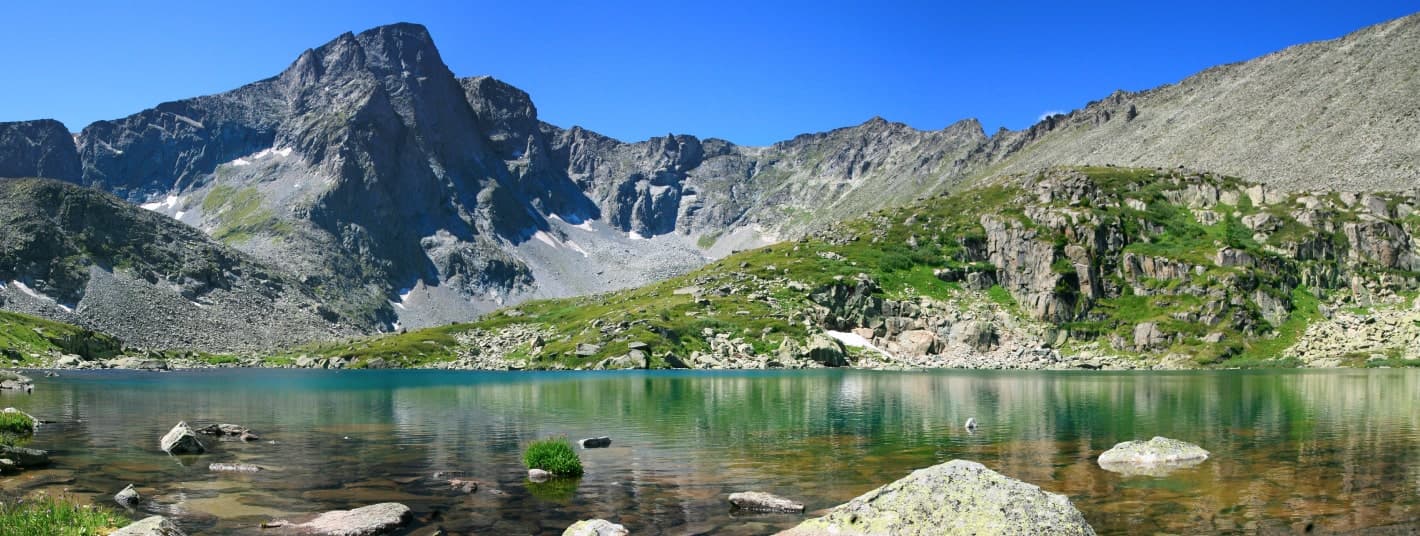
The magnificent mountains of Uzbekistan hold abundant treasures, drawing numerous tourists and adventure enthusiasts who annually conquer the high- altitude peaks. With stunning waterfalls, countless peaks, skiing trails, alpine meadows, nature reserves, forested areas, canyons, and mountain lakes, as well as ancient civilizations' remnants, the picturesque mountain regions of our country have much to offer.
Thanks to the continental climate, everything here harmonizes with nature. In Uzbekistan, winter is mild, spring is sunny with occasional rainfall, summer is hot and arid, and autumn radiates incredible beauty. This season is particularly bountiful, as nature bestows its gifts before the winter and prepares for rejuvenation come spring.
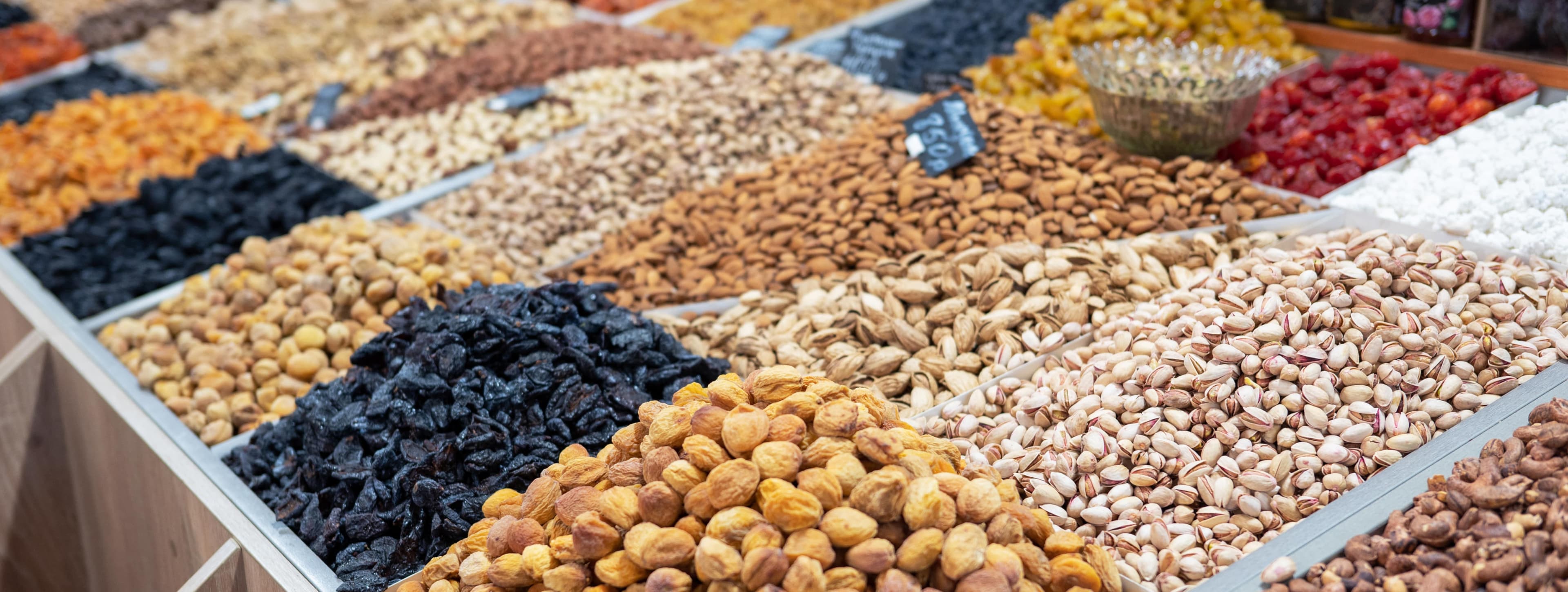
The national cuisine of Uzbekistan will satisfy any lover of meat, sweets, fruits and vegetables. In general, this is a paradise for gourmets, defined by Uzbek pilaf, sams, kebabs, manti, fresh bread, juicy fruits, Uzbek desserts melting in the mouth and many others.
Fruit is available in fertile Uzbekistan almost year-round. A wide range of seasonal fruits are offered from spring to autumn, while in winter imported and dried fruits are popular. Dried melon particularly is a sweet delicacy that has been made in Uzbekistan for centuries. Vegetables and spices are added to many dishes in Uzbek cuisine to produce a unique taste. Not surprisingly, Uzbek dishes have been declared by some to be among the best in the world.