On March 25, President Shavkat Mirziyoyev reviewed a presentation on the establishment of the Tashkent International Financial Center, the launch of the International Center for Digital Technologies, and the introduction of Islamic finance mechanisms into the banking system.
Amid global geopolitical tensions, competition for attracting investment is intensifying. The country’s rich natural resources, economic potential, and ongoing reforms give it a significant advantage in this regard.
“Many international companies, having assessed regional risks, have already begun exploring new markets. This is a historic opportunity for us. In such a situation, we must seize this opportunity and act swiftly to attract international financial institutions,” the President noted.
To achieve this year’s target of attracting more than $50 billion in investments, it is necessary to facilitate investors’ access to the Uzbek market, offer modern infrastructure, establish a legal regime aligned with international standards, provide additional incentives, and, most importantly, ensure a reliable and transparent business environment.
In this regard, three priority areas aimed at further enhancing the country’s investment attractiveness were discussed: the establishment of international financial and digital technology centers and the introduction of Islamic finance services.
During the discussion, it was noted that this center will become an effective tool for attracting new types of investment and ensuring sustainable economic growth. According to estimates, by 2030 the financial center could attract an additional $20–25 billion into the economy, contribute up to 1 percent in additional annual GDP growth, create up to 15,000 high-skilled jobs, and support the training of 10,000 specialists.
It is planned to introduce a special legal regime for the center’s operations. In particular, the principles of English common law will apply insofar as they do not conflict with the law governing the center. The center’s governing bodies will be empowered to adopt their own regulations. A Tashkent International Commercial Court and an international arbitration center specializing in dispute resolution will also be established.
Residents of the center will be offered broad opportunities, including the free movement and repatriation of capital, unrestricted foreign exchange operations, access to modern payment instruments (including digital assets), preferential tax treatment, and a simplified visa regime.
The center’s core areas of activity will include financial services, investment and banking, insurance, digital asset and securities operations, payment systems and services, as well as fintech-related services.
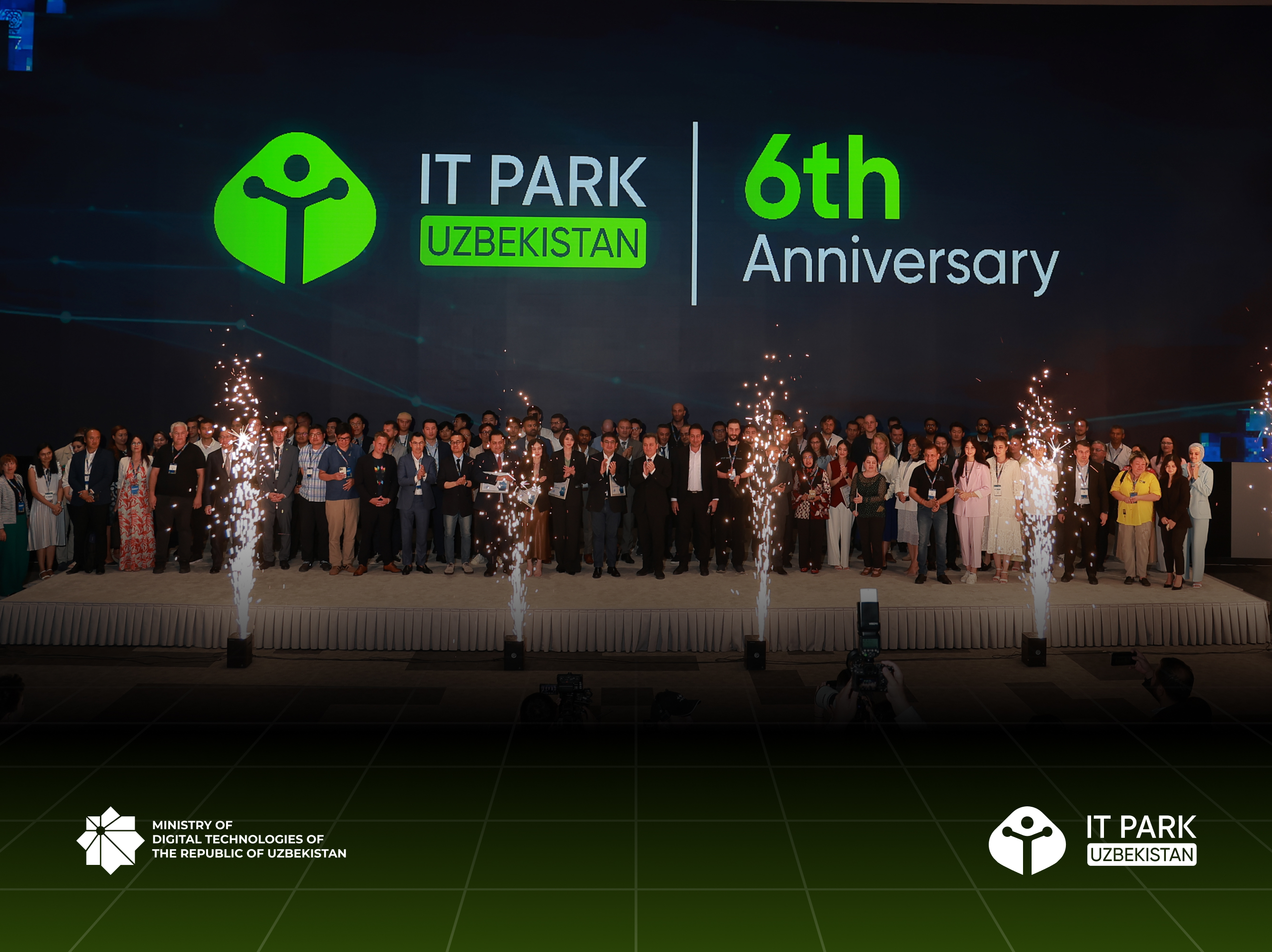
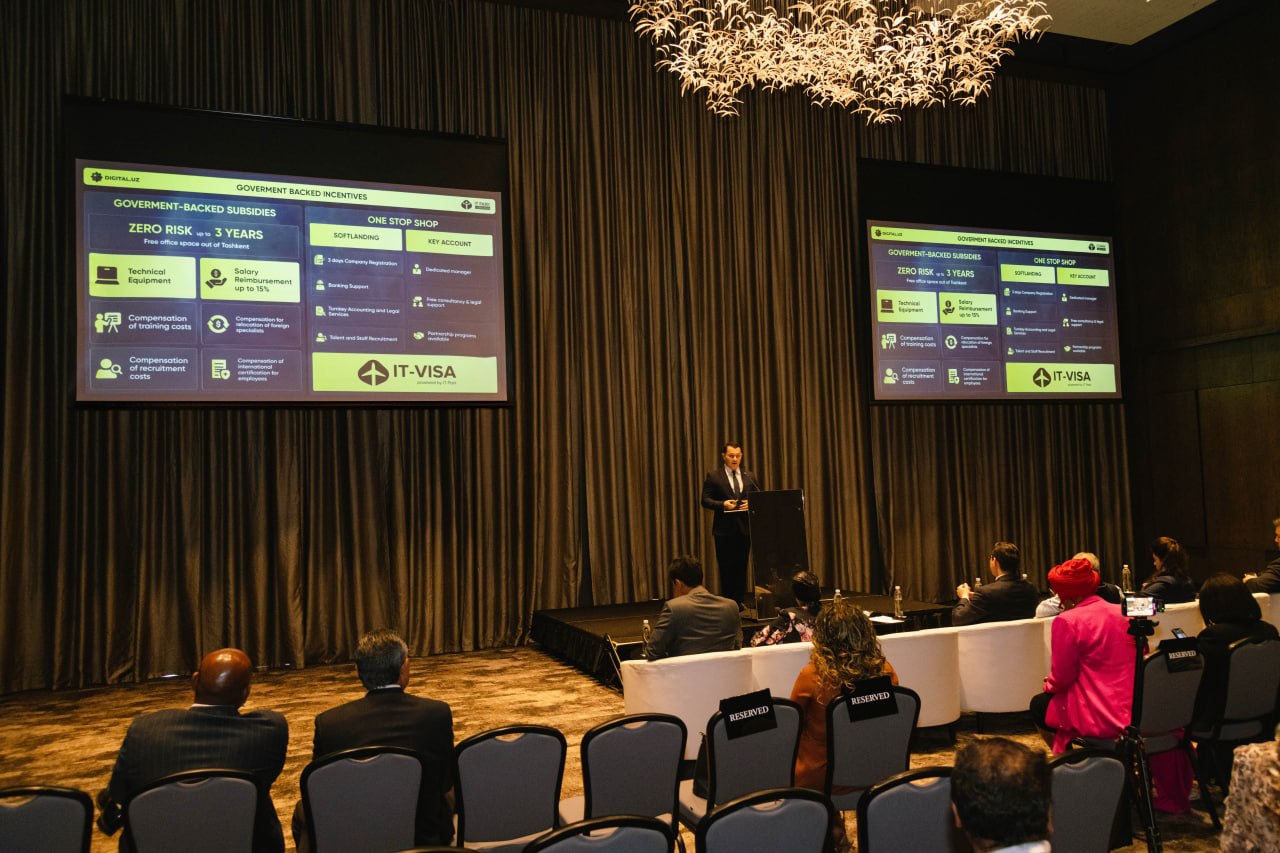
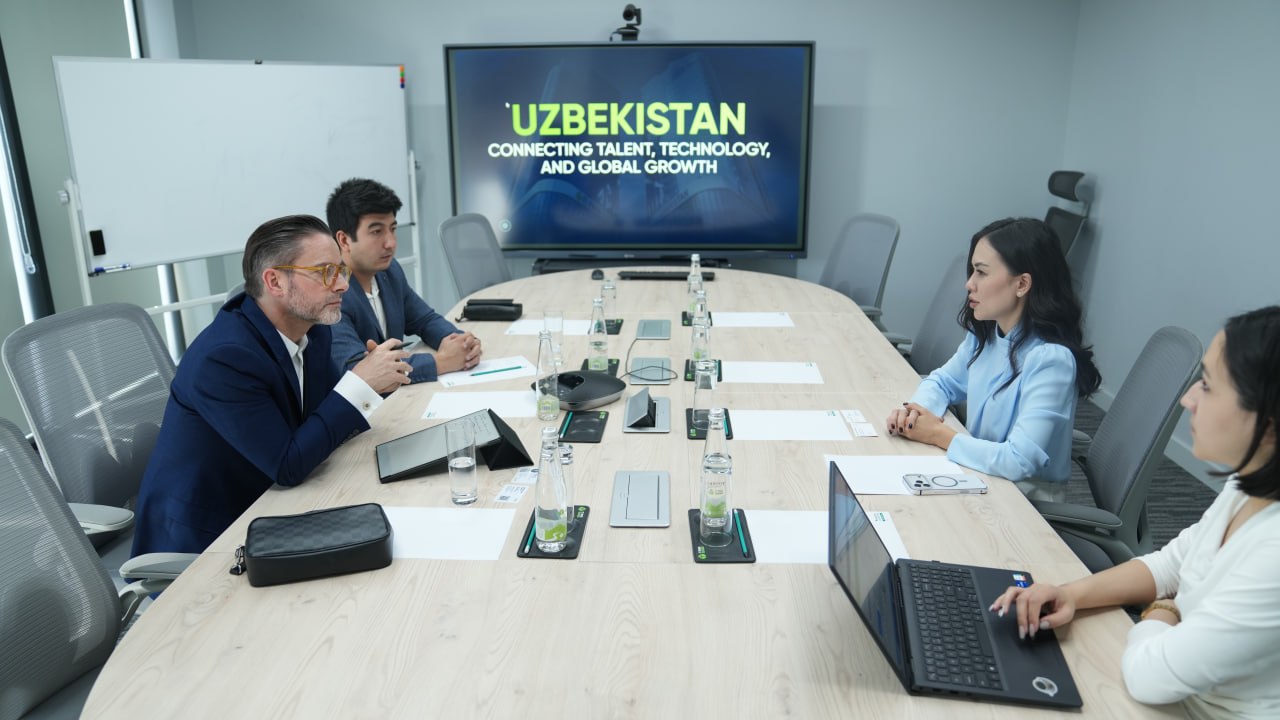
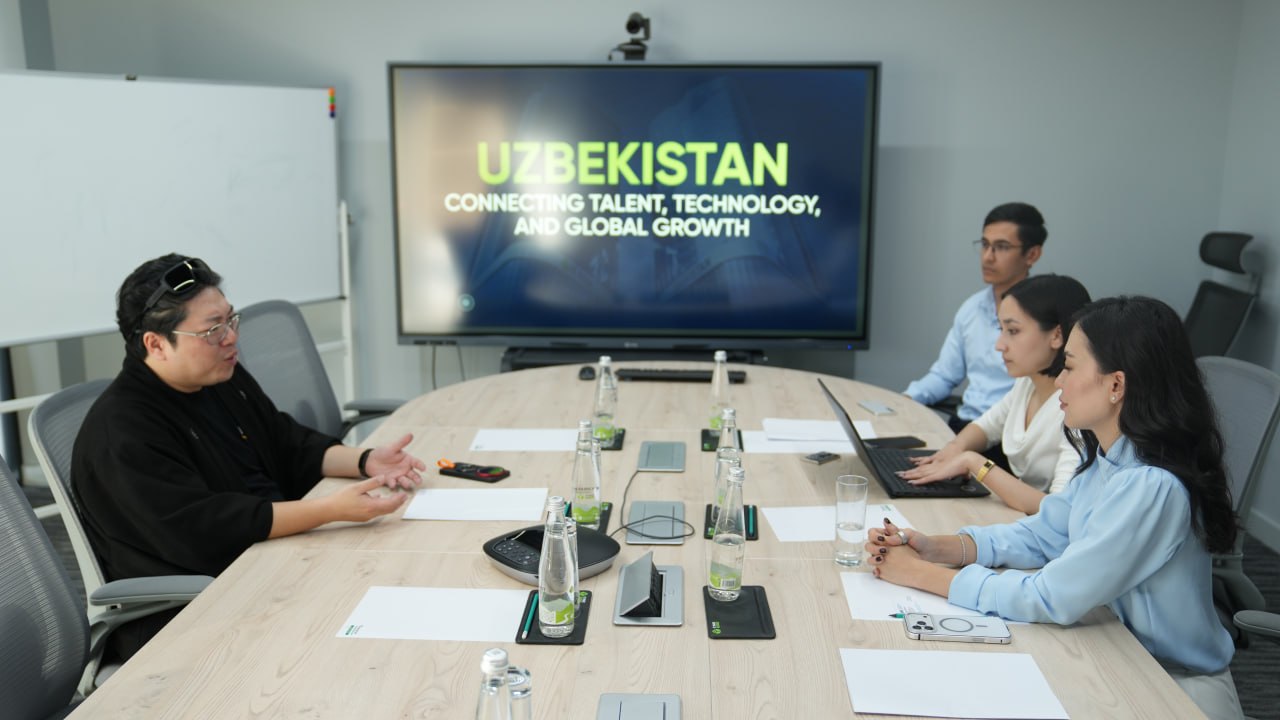
The second priority area is the creation and development of the International Digital Technology Center under the brand “Enterprise Uzbekistan.”
A special legal regime is envisaged for this center until 2100. Within its regulatory sandbox, it will be possible to test new solutions, pay salaries in foreign currency, apply international labor standards, and process personal data in accordance with international standards using cloud technologies.
Favorable conditions will be created for the protection of intellectual property, investments, startups, and exports, along with customs and tax incentives.
Key areas of activity will include artificial intelligence, digital transformation, research and development, certification, startups, and data centers.
By 2030, the center is expected to attract up to 1,000 companies, create over 300,000 jobs, and achieve export potential of up to $5 billion. It was noted that several major international technology companies have already expressed interest in this initiative.
The third priority area discussed was the introduction of Islamic banking.
It is planned to introduce such instruments as murabaha, muzaraba, wakala, salam, musharaka, Islamic leasing, and other Islamic finance mechanisms that comply with national legislation.
It is also envisaged that value-added tax will not be applied to trade margins, income from investment deposits will be exempt from taxation, and Islamic lease agreements will be treated as financial leasing transactions.
To ensure systemic governance in this area, a Council on Islamic Finance will be established under the Central Bank. Similar councils will also be created within banks offering Islamic financial services. These bodies will be responsible for developing standards, contributing to draft regulatory frameworks, providing guidance on complex issues, reviewing contracts and internal documentation, and ensuring compliance.
This year, it is planned to launch an Islamic “window” in at least one commercial bank. Between 2026 and 2030, two fully-fledged Islamic banks are expected to be established. Overall, these initiatives are expected to attract approximately $1 billion in additional investments and deposits during this period.
The Head of State emphasized that these three areas will contribute to the development of a modern financial and technological ecosystem in the country and instructed that their practical implementation be accelerated.
28 September 2026
28 September 2026
28 September 2026
28 September 2026