The global gaming industry is undergoing structural transformation. As development costs rise in mature markets and Korean studios expand their international footprint, the need for scalable production, localization, and regional support hubs is becoming increasingly strategic.
Across Eurasia, new ecosystems are emerging to meet this demand. Among them, Uzbekistan is positioning itself not merely as an outsourcing destination, but as a growing GameDev and localization hub connecting Korean innovation with regional markets.
Uzbekistan is one of the fastest-growing markets for mobile games in the region, according to Hisham Nuhu, head of Tencent Games’ publishing group in the CIS. The country has achieved these impressive results thanks to two important factors. The first is the large number of young people who are actively involved in digital entertainment. The second is the high level of internet penetration, which stands at almost 77%.
In 2023 alone, the number of gaming transactions in Uzbekistan increased by 716%, and their volume grew by 126%. The growth of the average amount spent in Uzbekistan’s gaming market is also an important factor. OSON data shows that gamers previously spent no more than $3–4, but this amount has now doubled.
According to IT Park Uzbekistan , 47 GameDev companies hold resident status with more than 600 specialists employed in the sector. In 2024, companies generated $59.6 million in service revenue and $55.5 million in exports. In the first half of 2025 , revenues reached $32.7 million (services) and $28.4 million (exports). Despite being young and structurally early-stage, the ecosystem is already export-driven.Uzbekistan currently has double taxation treaties with 55 countries, including Japan, China, the Republic of Korea, Germany, France, and the United Kingdom. At the same time, the country continues to adhere to the 1973 tax treaty with the United States, inherited from the USSR. Under this treaty, B2B services provided by Uzbek companies to the US are exempt from the standard 30% withholding tax on US-sourced income. This tax break applies to companies providing services such as contract development, art outsourcing, QA, technical support, and other B2B interactions.
Uzbekistan’s GameDev growth is the result of coordinated structural foundations that include a specialized regulatory framework, a young and scalable talent base, and an institutional strategy centered on innovation.
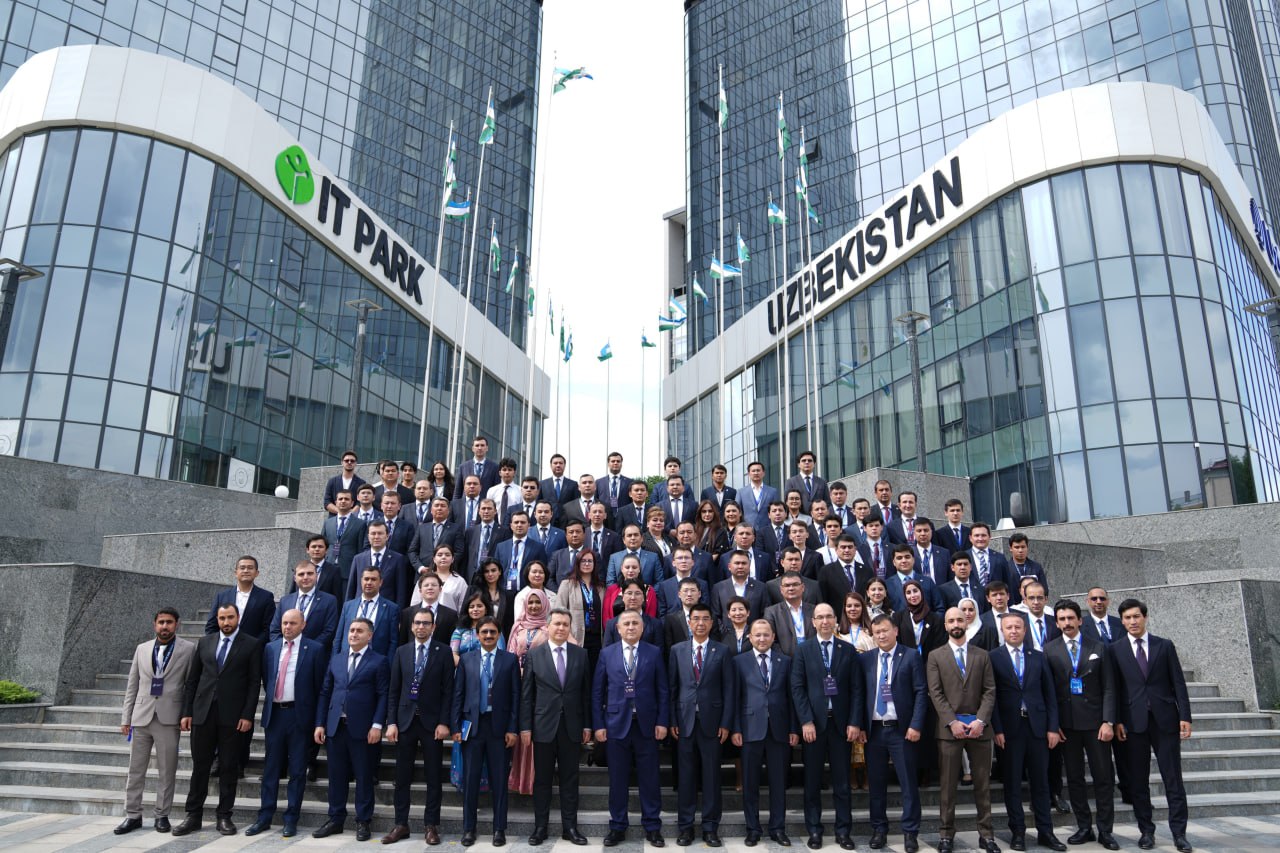
IT Park Uzbekistan is a government-backed special regulatory zone established to accelerate the development of IT and digital businesses. Operating under a dedicated legal and fiscal regime, the Park provides a predictable and streamlined environment tailored specifically for technology-driven companies.
IT Park residents gain access to tools essential for international operations, including:
For companies working with international clients or platforms, currency and acquiring are key operational issues. In Uzbekistan, these processes are standardized, so many studios view the country as a practical jurisdiction for working with the US, Europe, and Asia.
IT Park also offers a structured legal and tax framework that includes:
These incentives allow studios to reduce operational costs and reinvest in product development and international expansion. Beyond fiscal incentives, the regulatory framework offers simplified administrative procedures, export support mechanisms, and institutional coordination. For GameDev teams operating on lean budgets — many of which are small, founder-led startups — this environment reduces operational friction and allows capital to be redirected toward core activities such as product development, prototyping, localization, and market testing.
Cooperation between Uzbekistan and South Korea in the IT and GameDev sectors has moved beyond exploratory dialogue and into institutionalized collaboration. Over the past two years, bilateral engagement has taken the form of representative offices, acceleration programs, memorandums of understanding, and structured talent development initiatives.
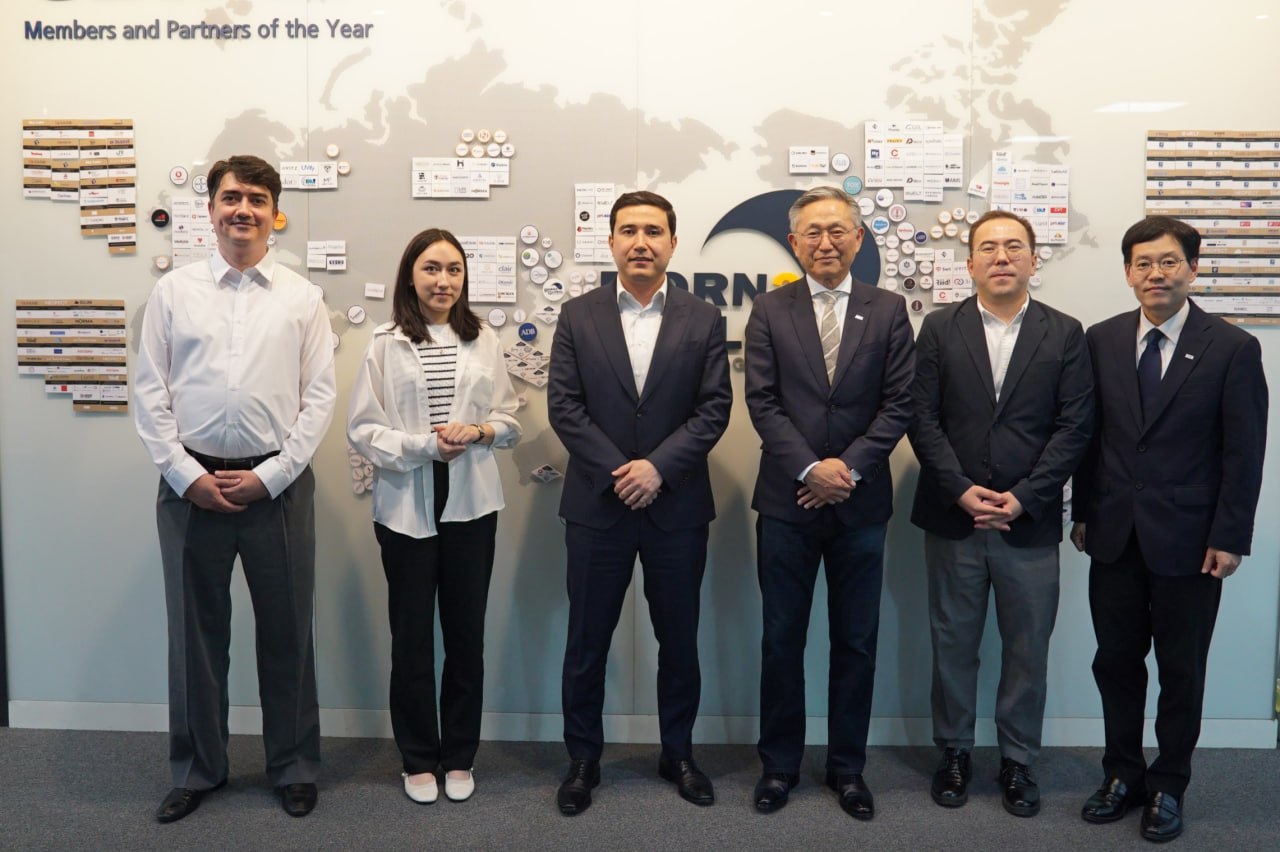
A significant step was the launch of IT Park Uzbekistan’s representative office in Seoul, established under the Uzbek–Korean IT Business Alliance. The office serves as a coordination point for Korean companies exploring Uzbekistan as a development, outsourcing, or market-entry destination. The move followed strategic cooperation agreements signed with Korean industrial and technology institutions aimed at facilitating joint projects and business matchmaking.
One of the most structured initiatives is the Local2Global.Korea program, an export acceleration framework designed to support IT Park resident companies entering the South Korean market. The program provides partner introductions, regulatory briefings, cultural market guidance, and participation in major industry events. Several Uzbek companies are already participating, engaging directly with Korean technology firms and preparing to showcase their capabilities at exhibitions such as G-Star in Seoul.
Cooperation has also extended into formal industry agreements. In 2024, IT Park Uzbekistan signed a memorandum with Xsolla, a global game commerce platform, to launch a GameDev Academy aimed at strengthening local talent and aligning training standards with international industry requirements. Another memorandum was signed with Seoul-based consulting firm Proxy Planet, targeting joint development of the GameDev and esports ecosystem. The partnership includes support for Korean companies entering Uzbekistan, structured outsourcing expansion, and training programs tailored to Korean market expectations.
High-level discussions have also been held with major Korean game developers, including NCSoft Corporation, Nexon, Creators Factory, Studio Popcorn, Like Corporation (Unity), and Proxy Planet focusing on potential collaboration in outsourcing, workforce development, and long-term market entry strategies.
Beyond memorandums, workforce development programs are already underway. Joint initiatives under the Uzbekistan–Korea IT Alliance framework aim to train hundreds of specialists and expand employment opportunities connected to Korean projects. Some partnerships project the training of up to 500 professionals and the creation of around 100 specialized jobs linked to Korean IT demand.
Alongside production capacity, Uzbekistan is developing structured localization capabilities as part of its broader GameDev ecosystem. At IT Park Uzbekistan, companies can request translation, linguistic quality assurance (LQA), cultural adaptation, and regional compliance support tailored to international studios entering Uzbekistan and neighboring CIS markets. Given the linguistic diversity of Central Asia and the strategic importance of Russian-language distribution across the CIS, Uzbekistan offers a practical gateway for market adaptation.
For Korean studios, this enables a dual function: development cooperation combined with regionally aligned localization support. Rather than operating solely as an outsourcing destination, Uzbekistan is positioning itself as an integrated production and market-entry hub, supporting not only game creation, but scalable regional adaptation.
Taken together, these initiatives indicate a transition from isolated cooperation to an increasingly structured bilateral technology corridor. For Korean GameDev companies, Uzbekistan offers cost efficiency, regulatory predictability, and a growing talent base supported by government-backed institutional frameworks. For Uzbekistan, Korean engagement provides access to advanced industry standards, commercial pipelines, and integration into a globally competitive gaming ecosystem.