Unitlab founder Shohruh Bekmirzaev told Spot why he registered the company in the United States, how former colleagues helped improve the product, why he hires specialists from around the world, and how much funding he has raised from venture capital funds.
Shohruh Bekmirzaev is a former artificial intelligence engineer. He spent several years working in technology companies in South Korea before leaving a stable job to launch his own product in Uzbekistan. This led to the creation of Unitlab AI, a data annotation platform.
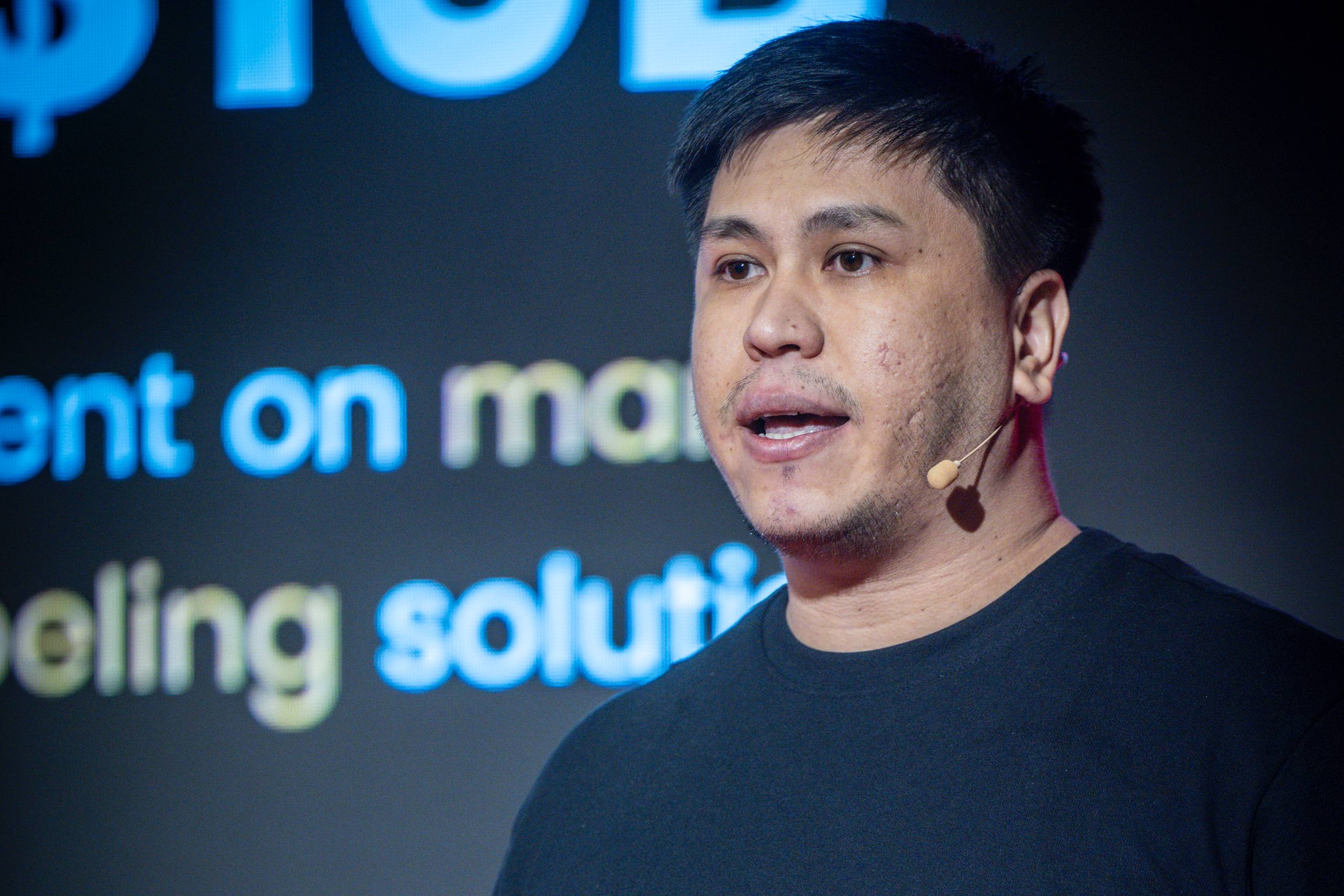
The startup idea grew out of personal experience. While working with AI, Shohruh encountered a problem familiar to most AI teams: data annotation was slow, expensive, and required a large amount of manual labor.
Annotation process is essential for training artificial intelligence. Without it, AI does not understand what it is working with: an image is just a set of pixels, and text is a sequence of characters. To train a model, humans have to manually explain what is in the data—for example, outlining an object in an image and labeling it. This approach requires significant time and resources.
As a result, more and more companies are now moving toward automating data annotation using AI. One such solution is Unitlab. In a short period of time, the startup entered the international market and attracted the attention of major corporations, including Samsung. Today, more than 2,000 teams from 40 countries use the platform, including teams from the U.S., South Korea, Japan, and India.
In an interview with Spot, Shohruh Bekmirzaev explained why he registered the company in the U.S., how former colleagues helped refine the product, why he hires specialists globally, and how much investment the company has raised from venture funds.
I completed my bachelor’s degree at Tashkent University of Information Technologies, and in 2018 I earned a master’s degree in computer science from Kumoh National Institute of Technology in South Korea. My specialization is artificial intelligence and deep learning.
After graduation, I began my career as an AI engineer at the South Korean company Lululab, where I filed five patents in the field of artificial intelligence, two of which were registered in the United States. Later, I joined Mathpresso, where I led the development of the core AI engine for more than three years.
I had a stable job, but I always knew I wanted to build my own product. In 2022, I resigned, returned to my home country, and fully dedicated myself to launching a company that would solve a problem I personally encountered on a regular basis: data annotation for AI. At the time, this process was slow, expensive, and inefficient.
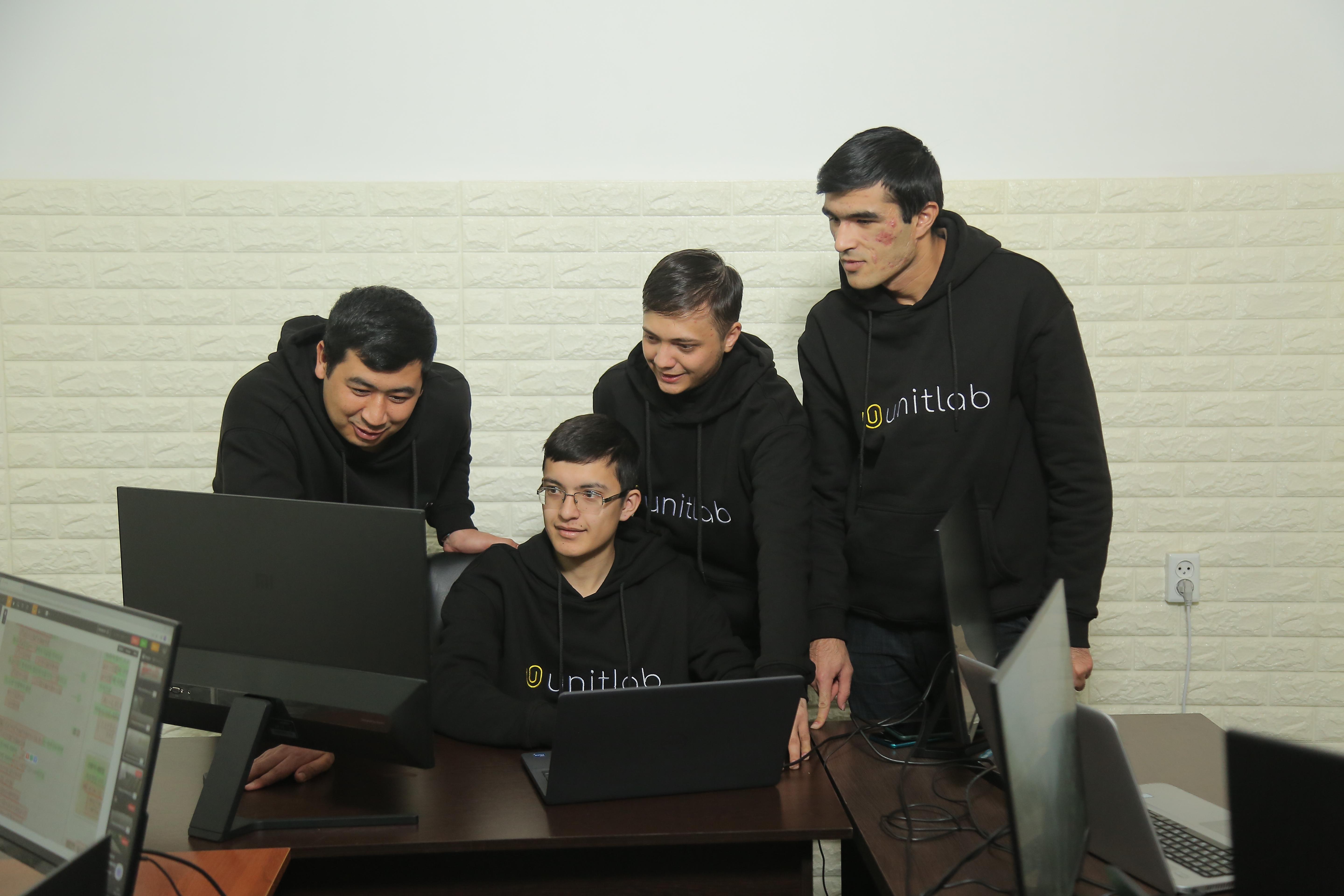
While working in tech companies, I realized that the main bottleneck in AI development was not model training, but the enormous time and resource costs associated with data annotation. We decided to turn this frustration into innovation by automating the annotation process and eliminating unnecessary manual operations.
That’s how Unitlab AI was born.
At the start, I hired two engineers from my professional network—Ahror Baratov and Shahzod Uralov. As a small team, we worked intensively on the first version of the platform. After they demonstrated a high level of expertise and full commitment, they became co-founders of the company. Today, the three of us are developing Unitlab AI together.
For more than three years, until we raised our first external investments, I fully self-funded the company: I invested over $170,000, did not pay myself a salary, and focused entirely on the product.
The first version of Unitlab was extremely simple—a basic image annotation tool. Our goal at that stage was very clear: to help AI teams prepare training data faster and at a lower cost.
To make sure we were solving a real problem, I reached out to former colleagues in South Korea and asked them to test our platform. We received detailed feedback from them, and based on that, we decided to invest further into the product: we hired two additional engineers and a designer to significantly improve functionality and UI/UX.
Later, I began directly reaching out to our target audience via LinkedIn, offering them to test the product. Some of them became our first paying customers.
We also focused on technical content: I hired a technical blogger to manage our corporate blog, and later expanded the team of authors to four people, including specialists from abroad. We distributed these articles in targeted AI/ML communities on LinkedIn and Facebook—this became our first stable user acquisition channel.

Over time, our technical articles began ranking on Google, which significantly boosted SEO. More and more teams started discovering Unitlab AI through search queries related to their work tasks.
We also integrated an automatic feedback collection system into the product and continuously improved the platform based on real user comments.
Our first active users were AI startups and university laboratories. In the beginning, we made mistakes—we underestimated the complexity of onboarding and made the interface overloaded. However, each mistake became a valuable source of feedback. We simplified the interface, strengthened automation, and improved the user experience.
When we saw that more than 1,500 teams had organically joined the platform and companies like Samsung started requesting custom demos, it became clear that the problem we were solving was global—and it was time to scale.
Although the Unitlab team operates from Tashkent, the company is legally registered in the United States. We made this decision primarily to gain access to global payment infrastructure, especially Stripe, which is essential for working with clients in the U.S. and Europe.
Today, anyone can create a company online in almost any country, gain access to local banking systems, and find customers worldwide through proper marketing—all without being physically present.
The entire registration process was fully legal. I submitted an online application through the official Delaware state portal, passed identity verification, and received approval. After that, we opened a U.S. bank account, integrated Stripe, and started accepting payments from international clients.
Today, more than 2,000 teams from 40 countries use the product. These are primarily companies from fintech, retail, e-commerce, EdTech, and HealthTech. The platform is also trusted by over 39 universities, including Carnegie Mellon University and the University of Mississippi.
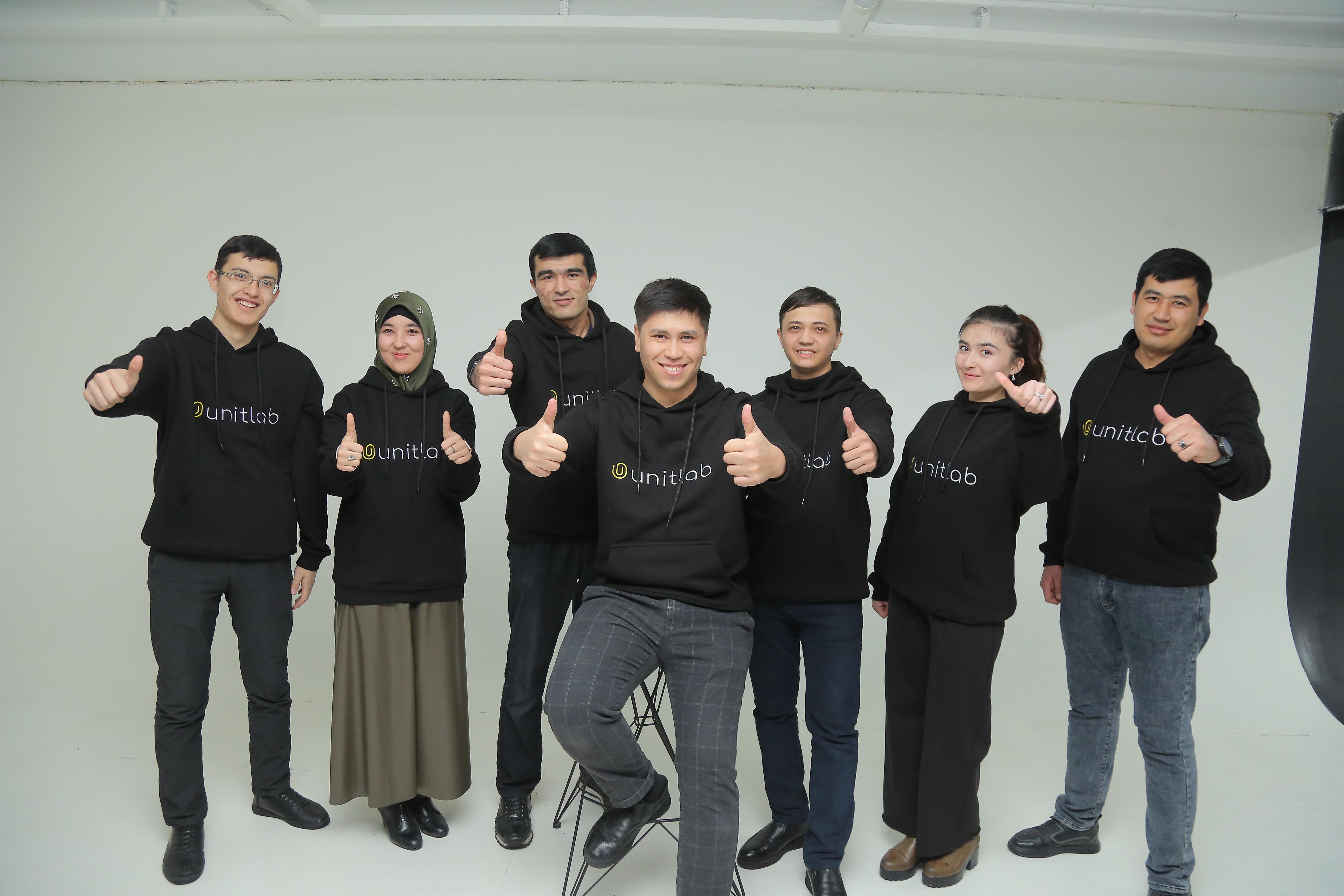
Our strongest presence is in the U.S., Europe, and Asia (Japan, Korea, India, China). Each market has its own requirements: in the U.S., scalability and integrations are critical, while in Asia, strict compliance and on-premise solutions are more important.
The U.S. market is highly competitive, with players such as Scale AI, Labelbox, and Roboflow. However, unlike most competitors, we focus on automation rather than crowdsourcing. This allows us to speed up annotation by 15 times and reduce costs by five times.
We solve a key problem in AI projects—the dependency on manual annotation, which slows down development and increases budgets. Users can upload data in any format—images, text, or audio—run auto-labeling, configure review pipelines, and integrate their own models (BYOM). Annotation management, quality checks, and automation all happen within a single interface.
Our auto-annotation AI engine and flexible workflows are the core of the product. Clients can launch large-scale projects in seconds, automate validation, and integrate their own models. For example, a hospital can integrate its medical model, or a bank can integrate an anti-fraud model into our pipeline—this is something I am especially proud of.
We also offer enterprise-grade features: on-premise deployment, BYOM, and support for medical imaging (DICOM). This makes us particularly attractive to enterprises with strict compliance requirements and specialized use cases.
Unitlab AI was initially developed using a bootstrapping model. After about three years, when we had achieved sustainable traction, we began reaching out to investors independently—sending emails, scheduling meetings, and pitching continuously. This process took several months. After each call and demo, we sent updates, and each update helped strengthen trust.
At the same time, we applied to the accelerators 500 Global and Startup Wise Guys, which are quite competitive. We had several meetings, each lasting over an hour, during which we discussed the product, market, traction, and team in depth. After the final meeting, I received an invitation to join the batch with investment.
Investors were convinced not only by the size of the data annotation market (around $12 billion), but also by our execution speed, real customer demand, and the team’s full commitment.
In total, we raised $610,000 from four venture funds:
These investments allow us to expand sales, hire key employees, and develop infrastructure. Over the next 12 months, we plan to grow ARR by 5–10x and enter new markets.
Our current goal is to achieve key metrics, increase revenue, expand enterprise partnerships, and establish strategic alliances. After that, we plan to open a new investment round.
We operate under a freemium SaaS model. This means the platform is open to everyone and offers a free basic plan. Advanced features are available through paid plans priced between $99 and $195 per month per team. Custom pricing, on-premise installations, and extended support are available for enterprise clients.
Our goal is to reach $1 million in ARR by the end of 2026.
Initially, we sold the product to small teams and individual users, then gradually moved toward working with companies. Today, our primary focus is enterprise clients.
The enterprise segment remains the most challenging. Selling to large companies is very different from onboarding typical SaaS users. Decision-making processes are lengthy, trust must be built, and multiple layers of approval and compliance checks are required. For a startup from Uzbekistan without a large sales team in the U.S. or Europe, this is a serious challenge.
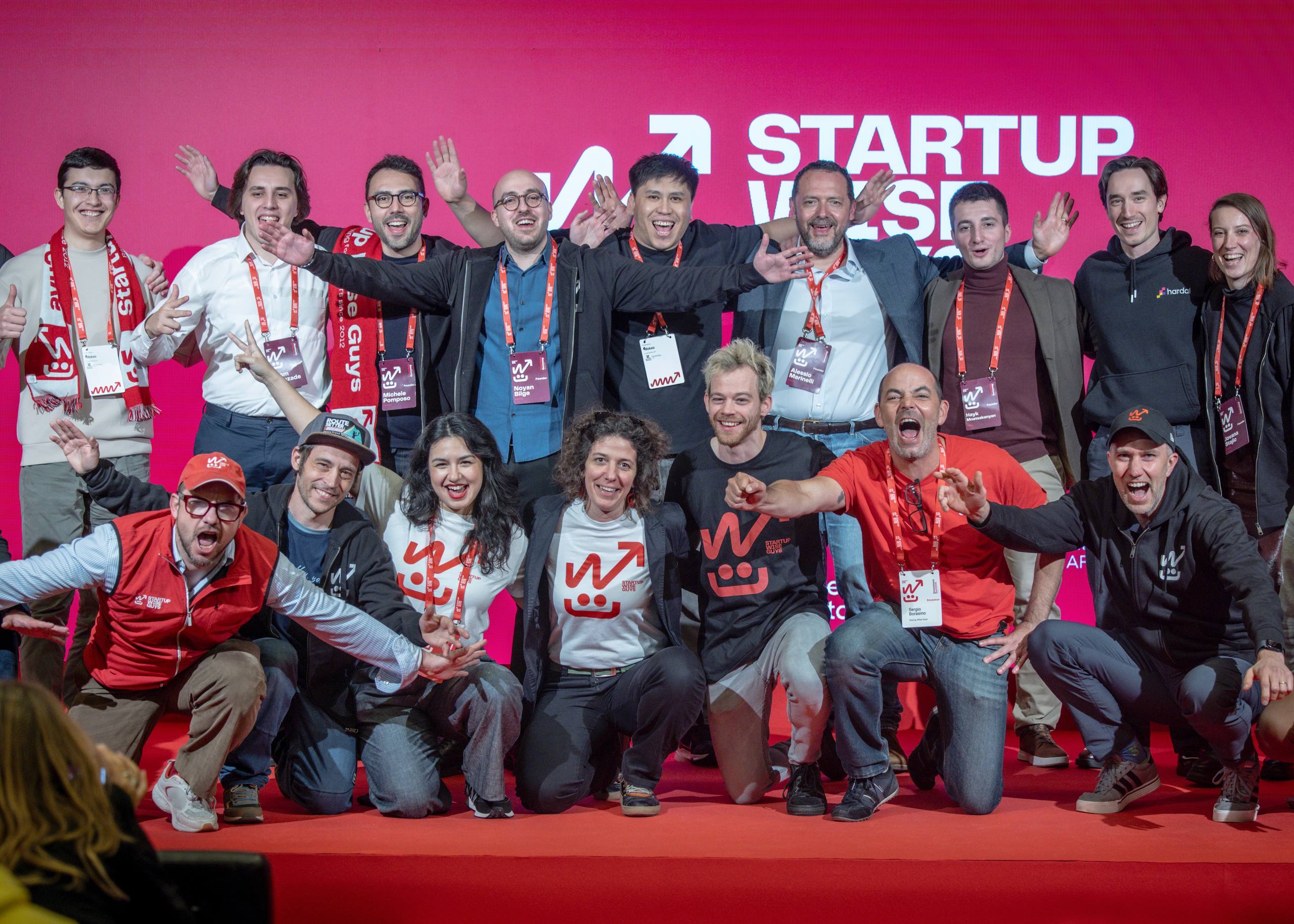
One of the main difficulties has been the labor market. Uzbekistan has many strong engineers, but very few specialists with experience in B2B sales and launching SaaS products internationally. As a result, we had to search for such talent abroad and hire sales and marketing managers with international experience.
At first, we searched independently by posting vacancies and conducting interviews. In parallel, we worked with recruitment agencies that helped with initial screening. The model was simple: we fully approved candidates first and only then paid the agency’s fee.
This is how we began hiring specialists from other countries—people who had worked with global SaaS products, understood how to build sales funnels, work with enterprise clients, and manage long sales cycles.
As a result, the team became hybrid: a strong engineering base in Uzbekistan combined with commercial expertise abroad. This allowed us to develop the product and build a sustainable global go-to-market strategy simultaneously.
Today, our sales department includes five people from Europe (Serbia, Kosovo, Spain) and the Philippines. All of them work remotely on a full-time basis. Base salaries range from $2,500 to $3,500, plus monthly commissions of $1,000–1,500.
We sign official contracts with every employee, and salaries are paid through the company’s U.S. bank account—the most convenient option for an international team.
Work processes were built gradually. Engineers work from the office, while remote employees connect via regular calls, task trackers, reports, and clear KPIs. This allowed us to maintain speed, transparency, and control even with a distributed team. In total, the company now has 14 employees: engineers, AI engineers, and sales and marketing specialists.
Our priority markets are the U.S., Western Europe, and China. These regions are where AI is developing the fastest, and where we see the greatest potential for revenue scaling.
We are already present in the U.S. market, but we are not targeting the mass segment. Instead, we focus on enterprise clients and large organizations, including companies in the aviation and defense sectors.
The main challenge is trust and reputation. Competing with American companies while operating outside Silicon Valley is only possible with strong case studies, references, and proven product reliability. Additional complexity comes from compliance requirements: large clients increasingly request on-premise or hybrid deployments.
To work with such customers, it is necessary to meet international security standards, including ISO/IEC 27001, which covers risk management, access control, data protection, and business continuity.
Our long-term goal is to become a global data automation platform with regional offices or partners in every major AI hub.
In the future, we plan to develop in three directions: geographic expansion, launching new modules (medical imaging, video annotation, agent-based AI workflows), and building a BYOD-GPU computing platform that will allow clients to connect their own GPU servers for AI model training.
22 September 2026
22 September 2026
22 September 2026
21 September 2026